

A Complete Guide to Choosing the Best HVAC System for Your Home
Selecting the right heating and cooling system for your house is very important. It will impact how comfortable...
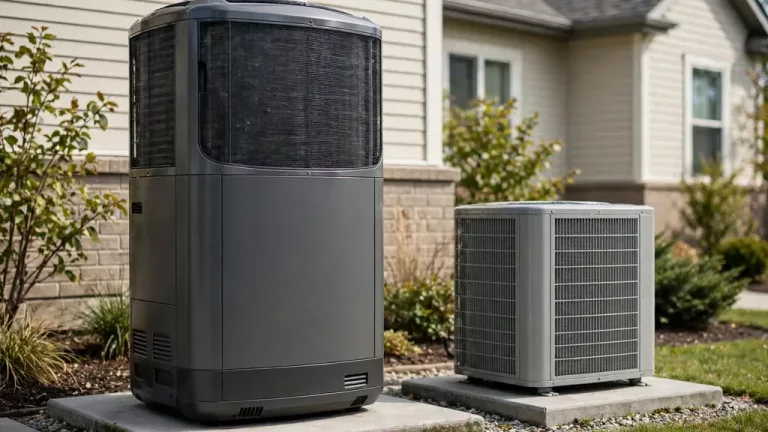
Your old unit dies in the middle of a Florida summer; you need a new system, and you need it soon. But now you’ve probably run into the Trane vs. RunTru question already, especially if you reside across Panama City Beach. Both are good brands, so it’s a tough call. The answer comes down to your budget, your power usage, how you like the house to feel, and how long you’ll stay in it.
Both brands belong to Trane Technologies, but the equipment and features aren’t identical. Below, we break down what actually separates them.
Summary
RunTru is worth the selection if your final goal is a system with transparent pricing and a straightforward system. On the other hand, Trane offers a broader range of premium options, including high-efficiency and advanced comfort features on its select models. The best way is to compare the exact systems and installation quotes before deciding.
Not sure which system fits your home and budget?
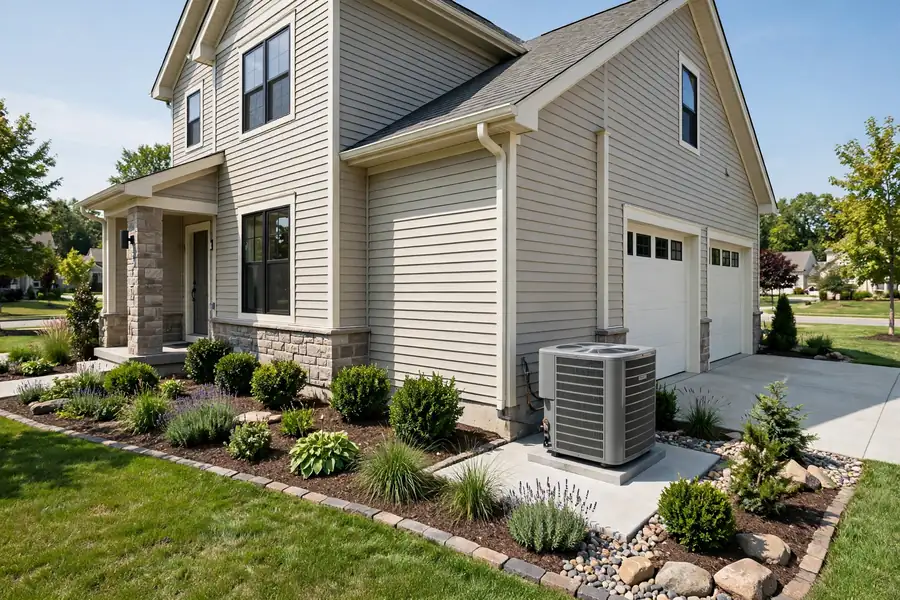
They’re part of the same family. Both are named under Trane Technologies. RunTru is the value-focused line, and its official website says the equipment is designed, built, and tested by Trane.
That doesn’t mean one brand works and the other doesn’t. Trane has a wider range and more premium features. RunTru sticks to practical heating and cooling at a lower price. How big the gap is depends on which two models you’re looking at.
One more thing. RunTru isn’t automatically the same as every Trane system. Compressor technology, efficiency, sound levels, controls, and warranty terms change from model to model. So compare full equipment proposals, not just the names on the box.
The best way to compare Trane vs. RunTru HVAC systems is to look at a specific model, its features, and what it costs installed. Here’s how the brands generally stack up.
| Feature | Trane | RunTru |
| Brand positioning | Premium equipment range | Value-focused equipment range |
| AC efficiency | Current models range from 13.4 to 23.6 SEER2 | Models include 13.4, 14.3, and 16 SEER2 options, with other configurations available |
| Compressor options | Single-stage, multi-stage, and variable-speed options across the lineup | Mostly straightforward single-stage options, with advanced technology available on select models |
| Humidity control | Advanced capacity and airflow control on select systems | Depends on system type, staging, and indoor equipment |
| Noise | Varies by model and operating speed | Varies by model and operating speed |
| Controls | Standard and advanced communicating options on compatible models | Conventional controls on many models; compatibility varies |
| Upfront cost | Generally higher for comparable configurations | Generally lower for comparable configurations |
| Warranty | Coverage varies by model and registration | Coverage varies by model and registration |
| Best fit | Buyers seeking premium features and more equipment choices | Buyers prioritizing upfront value and essential comfort |
Those efficiency numbers are the best-case or model-specific ratings. They aren’t a promise for every complete system. What you actually get depends on the outdoor unit you choose and the indoor equipment it’s paired with.
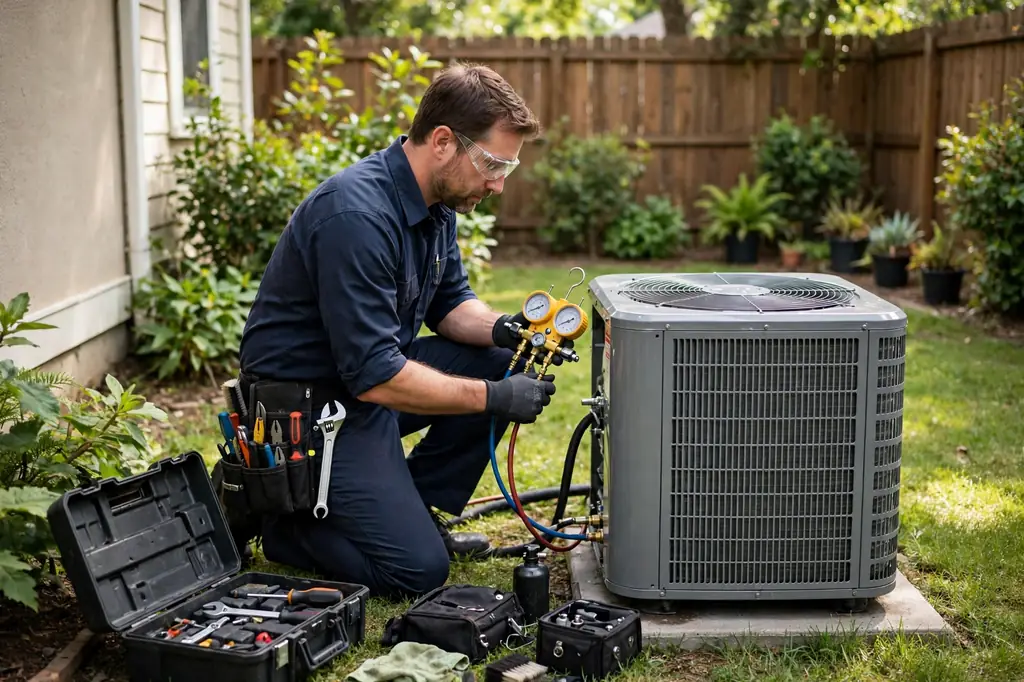
SEER2 ratings give you a quick way to compare how much power an AC uses. A higher number means lower electricity use for the same amount of cooling. That’s the rule of thumb.
Trane has some models rated up to 23.6 SEER2. RunTru has options at 13.4, 14.3, and 16 SEER2. Which one fits you depends on the exact models and how many hours a day your system runs.
A single-stage system has one speed: full blast whenever it’s cooling. A variable-speed model can ease its output up and down, so temperatures stay steadier and indoor humidity is easier to handle. When you compare quotes, look for three things on each one: the SEER2 rating, the compressor type, and the indoor unit it’s matched with.
A rating doesn’t tell you how a house feels. Sound, airflow, thermostat compatibility, and how well the system pulls moisture out of the air all play a part.
RunTru is generally positioned as the lower-cost alternative, while Trane’s premium models may cost more because of their feature sets, efficiency levels, and controls.
However, there is no single price difference that applies to every installation. A basic Trane air conditioner and a higher-feature RunTru heat pump are not directly comparable, even if the quotes look similar.
Your installed price can include:
Ask both contractors for itemized quotes covering the same capacity, efficiency, indoor components, warranty terms, and installation work. That tells you far more than asking which brand is cheaper.
Both brands offer limited warranties. The exact coverage depends on the equipment and the terms that apply.
RunTru’s current warranty information base limited parts warranty generally runs five years. Register within 60 days of installation and limited parts coverage usually extends to 10 years. Trane describes something similar: a five-year base and typically a 10-year registered limited parts warranty, depending on the product. These warranties generally cover eligible parts that fail due to manufacturing defects. They don’t cover the labor to replace them.
Before you sign, ask:
Both brands heat and cool your home, and neither can promise how long a system will last. Where it runs, how well it’s installed, how it’s maintained, and which model you pick all matter.
In Florida, most residential central AC systems last about 10 to 15 years. Some quit early. Some keep going. Homes near the coast have an extra problem: salt in the air eats at outdoor equipment faster.
Here’s how to protect your system:
| A properly installed RunTru system can be a smart choice.
RunTru could be your pick if you want a lower upfront price, simple performance, or an easy option for a rental.
Trane could be your pick if you want more premium choices, higher-efficiency models, variable-speed operation, or better control over humidity and noise.
Think of these as hints, not rules. RunTru can serve a long-term owner just fine. Trane can make sense for a shorter stay if the features earn their price. Compare full installation quotes and the exact models before you decide.
Panama City Beach has long cooling seasons, heavy humidity, and salty coastal air. That’s tough on HVAC equipment, especially outdoor coils and metal parts.
When you compare Trane vs. RunTru in Panama City Beach, ask your contractor about corrosion protection on the specific model, where the outdoor unit will sit, drainage, and the upkeep coastal conditions call for. Don’t assume a standard unit comes with a special coastal coating. Get the specs in writing.
Sizing matters just as much. A good contractor looks at your home’s layout, insulation, windows, and ductwork. Picking a capacity from square footage alone isn’t enough. In humid weather, an oversized system can short-cycle and leave the indoor air feeling damp.
A well-chosen system with a solid install and regular maintenance plans can serve you better than a premium model that doesn’t fit your property.
RunTru is designed, built, and tested by Trane, and it gives you practical heating and cooling options. However, Trane has a wider range of premium features.
It’s part of the Trane Technologies family. RunTru’s official website says its equipment is designed, built, and tested by Trane.
It can be, if a particular Trane model has efficiency, noise, or comfort features you care about. Compare the installed price gap with your likely energy savings and how long you’ll own the system before you pay more.
Mostly, yes, but the brand is only part of it. RunTru makes residential heating and cooling equipment. What really decides how long a system holds up in Florida is the sizing, how well it’s installed, how often it gets serviced, and whether the outdoor unit is protected from salt air.
Both come with a base limited parts warranty and a longer one if you register, but the terms change from product to product. Get the coverage length, what’s excluded, the registration deadline, and whether labor is covered, all in writing.
Depends on which RunTru you mean. Line up the Trane XR14 system against the exact RunTru model. Compare SEER2 rating, compressor type, sound rating, the matched indoor unit, price, and warranty.
If keeping the upfront cost low matters most and RunTru’s features cover what the property needs, RunTru can make sense. If you want certain comfort or efficiency upgrades, Trane is worth a look.
Trane and RunTru suit different budgets and different comfort goals. RunTru is a practical way to get dependable heating and cooling. Trane puts more premium choices on the table. What it really comes down to is the equipment, the install, and the total cost.
Shopping for a home system in Panama City Beach or along the Emerald Coast? Arctic Air & Refrigeration can help you figure out what your cooling needs and which options fit. Contact or request an estimate from Arctic Air & Refrigeration.


