

Top 7 Picks: Best HVAC Companies in Panama City Beach
One can instantly think about humid summers and salty Gulf air when it comes to living in Panama...
Your water heater temperature, especially the pool water heater plays a bigger role than most people realize. No one wants too hot water that can burn skin, or cold water that contains bacteria, along with a high rise in electricity bills.
Your water heater temperature, especially the pool water heater plays a bigger role than most people realize. No one wants too hot water that can burn skin, or cold water that contains bacteria, along with a high rise in electricity bills. Therefore, an optimal temperature becomes a necessity to attain.
Want to know what the best temperature for a water heater is?
We’ll walk you through the ideal hot water heater temperature and why it’s necessary for daily use. With that, we’ll tell you how to check and set the thermostat properly.
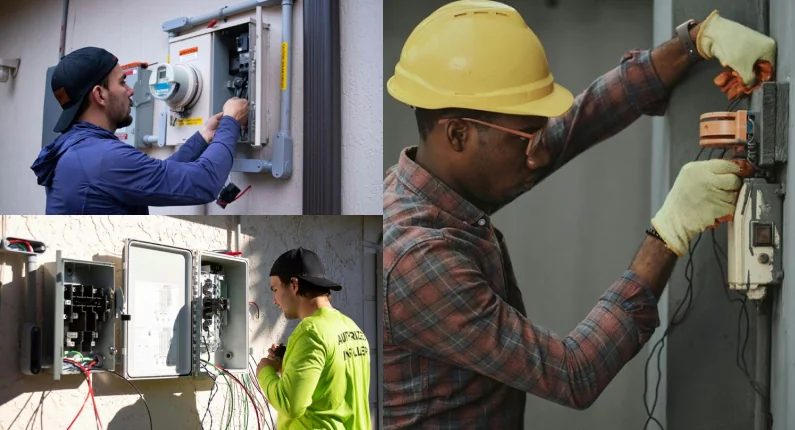
The temperature of the water heater is something that helps you remain safe from the outside atmosphere and makes you feel good. However, it can also act as a disaster in the sense of high gas or electricity bills if set wrong. Therefore, calibrate the hot water heater correctly at an ideal temperature, and here are the reasons why it matters:
Too hot or too cold—both are dangerous for your kids as well as older persons like your grandfather, grandmother, etc., so to keep you and your loved ones safe from skin burns or germs, keep the temperature of your hot water heater at 120 degrees. However, hot water is helpful if you wanna wash dishes in the kitchen.
It costs many dollars to heat water, and if your heater works too hard, it means your electricity or gas meter is running like a leopard. To save your money, turn the heat a little lower. You can use this saved amount to do many other important things or invest it. Water heating accounts for about 18% of your home’s energy use and is typically the second-largest energy expense in any home, according to the U.S. Department of Energy.
Just lower the temperature by just 10°F, and you can save 3–5% of your total energy consumption per month.
People pay millions to gain peace of mind and body. Isn’t it bad spending if you go to shower and you scream because of extra hot or cold water? Absolutely, it is. Therefore, proper water heater temperature helps you feel comfortable at home while showering.
Keeping a high temperature, i.e., 140°F, which is no doubt beneficial for dishwashers and multiple users, but can burn the body. Also, it can be costly. So, better to stick to the recommended ranges for a better lifespan.
According to the ethe recommendedxperts, the ideal temperature of a water heater depends on its type. Usually, different safe ranges are:
You may need a slight increase in winter. The correct temperature ultimately helps in better performance of water with less skin-burning chances specifically for the kids and seniors. Let’s take a good look at what the experts recommend:
| Who is it for? | Recommended Temp | Why is this the best? |
| Most Families & Kids | 120–125°F | This is the “Safe Zone!” It’s nice and warm, but it won’t burn your skin right away. |
| People who get sick easily | 130–140°F | This “Extra Hot” setting helps zap away every single germ to keep people with weak immunity safe. |
| Everyone (The Golden Rule) | Never below 120°F | If the water gets too chilly, gross bacteria can grow in the tank and make the whole family sick! |
Tip: If you want a comfortable swim in your pool, keep the pool heater temperature from 78–82°F. It also helps in reducing energy consumption. Whereas, each degree higher can add 10–30% to heating costs.
It’s simple. First, find the thermostat of your water heater. Then, turn the dial or use the digital controls. Wait a few hours. Test with a thermometer at a faucet. Tank heaters have side dials or panels. Tankless ones use screens. This keeps temps steady and saves energy. Do it regularly for safe, comfy water. Same idea with pool heaters, so calibrate them right to avoid waste.
Most water heaters are set somewhere between 120°F and 140°F. Not every heater works the same way. Here is a simple breakdown:
Further, based on different types of heaters, including gas, electric, and tankless, the table below shows the ideal ranges with reasons.
| Type of Heater | How Hot It Usually Gets | What to Know |
| Gas | 120–140°F | Heats up fast; usually has a dial you can turn. |
| Electric | 110–140°F | More exact; the buttons are usually hidden behind a panel. |
| Tankless | 105–140°F | These have a cool digital screen. |
There’s a big difference in the right temperature range of water heaters as per their types. But the process could be easier following the given rules:
Safety Tips:
Hot water above 120°F can burn. If your electric heater has two thermostats, set both the same. Always follow your manual.
No one can deny the fact that low temperature of electric heater results in low consumption of energy and electricity bills. So, now check which is that ideal number for your water heater to keep your energy bill lower too.
| Temperature | Time Taken to Burn a Unit |
| 120°F | 5 minutes (Safe) |
| 130°F | 30 seconds (Fast!) |
| 140°F | 5 seconds (Dangerous) |
| 150°F | 1 or 2 seconds (Instant Ouch!) |
Some unusual changes indicate temperature inaccuracy. For instance, noise coming out of the heater. When you notice, it means you need to adjust it. Here are some common signs:
Often caused by:
Stop and call a professional if you see:
These signs may mean a bigger issue. These require professional inspection. So, a professional like Arctic Air and Refrigeration is the best option to call and solve this issue.
Not all people know how to set the temperature of a hot water heater. But they should for safety. However, many make mistakes that result in energy waste, raise bills, and risk safety. Regular checks can fix this. Here are some common mistakes:
In case of a hot water heater, 120°F to 140°F is the optimal range. However, its model also has an impact. To save energy, keep the temperature low. Also, a simple rule is to check the thermostat on a daily basis for long life. It’ll be better for your safety, comfort, and efficiency. The above-discussed guidelines help you enjoy safe and hot water for an extended period. For professional pool heater installation or repair, call us.
Yes. It’s safe for most homes, and increasing this limit can be harmful and requires proper care.
This is the maximum temperature for a hot water heater, whether new or old. It’s too hot and can burn children or seniors in seconds.
Yes. Reducing by 10°F can save 3–5% on energy bills.
Slight increases (around 5°F) may help in colder climates.
Not directly, but larger families may need slightly higher settings for comfort.

