

Top 7 Picks: Best HVAC Companies in Panama City Beach
One can instantly think about humid summers and salty Gulf air when it comes to living in Panama...
During extreme weather conditions, most air conditioners suffer a lot. Modern AC systems are dependable. But, over time, parts of all models, even premium ones, become dirty, loose, or damaged. Then repairing becomes compulsory.
During extreme weather conditions, most air conditioners suffer a lot. Modern AC systems are dependable. But, over time, parts of all models, even premium ones, become dirty, loose, or damaged. Then repairing becomes compulsory.
Even faulty ACs give warning signs before they fail. Many people ignore them, which costs many dollars. You can spot crucial issues with your air conditioner early, before they become a big problem. Know how?
In this article, we’ll explain 7 warning signs that show your air conditioner is faulty and requires early repair in 2026. You’ll also learn prevention tips and when to call a pro like Arctic Air and Refrigeration. Read on to explore further.
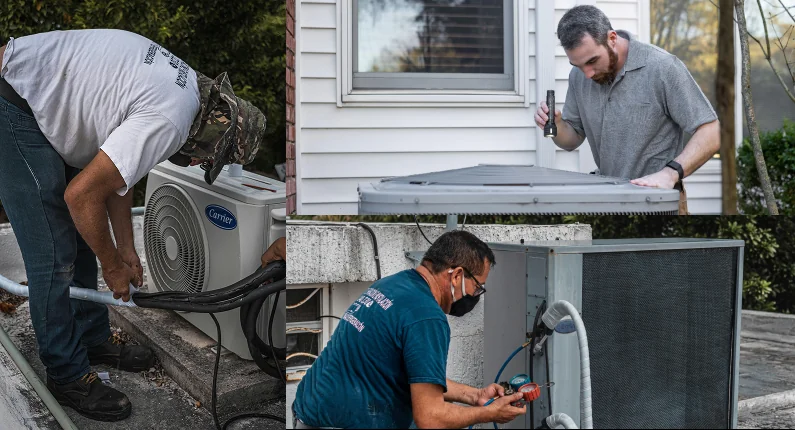
It’s a natural rule that everything gives a few signs, whether you notice or not, before a major breakdown, and the same applies to your AC. For a fast reference, here’s a summary of the 7 key signs your AC needs repair.
| Sign | Why It Happens | What You See | What To Do Fast |
| Rooms Too Hot/Cold | Dirty filters, leaks | Some spots hot | Inspect and open vents; clean filters |
| Big Power Bills | Dirty parts | Bills go up | Clean or replace the filter immediately |
| Loud Noises | Loose stuff | Bangs, screeches | Shut off the unit; schedule a professional inspection |
| Weak Air | Clogged filter | Little air blows | Replace filter; check for blockages |
| Water Drips | Clogged drain | Wet floor | Shut off the system to prevent mold/damage |
| Bad Smells | Mold grows | Stinky air | Cease operation; require professional cleaning |
| On/Off Too Fast | Wrong size | Clicks a lot | Verify thermostat settings |
When summer or winter is at its worst, your AC shouldn’t struggle to keep rooms comfortable. If some areas feel too hot while others stay cold, it’s usually a sign that something isn’t working the way it should.
If you avoid it, it can cost you a lot later. So, do watch out for these given warning signs:
Uneven cooling creates hot spots in rooms. Some areas of your room feel too warm, while others remain cold. This usually means your AC struggles to distribute air. If the airflow of your AC creates hot and cold spots throughout your home, there may be:
Dirty filters restrict air, and dust clogs them fast. Therefore, it’s best to replace them every 1-3 months. Similarly, leaky ducts waste up to 30% of cool air, while low refrigerant levels and duct issues damage coils.
To fix all the discussed issues, open vents. Clean filters now. Seal ducts with pros and upgrade your insulation. For persistent issues, professional maintenance, zoning systems, or smart thermostats provide lasting, even comfort throughout your home.
In summer, bills spike suddenly because the AC works harder. No extra use explains it. Dirty filters and coils cut efficiency, so the unit runs longer to cool the same space. As a result, bills rise by 20-30%.
According to a study report conducted by CNN,
Americans can expect to shell out a record $784, on average, to cool their homes… That’s up 4.2% from last year and 14% higher than 2020.”
Old HVAC systems add more stress. Units older than 10 years can use up to 50% more electricity. Refrigerant leaks also reduce cooling power.
First of all, turn off your AC and maintain the temperature at 24°C. You can use fans, and keep doors and windows closed. Also, pay attention to the cleaning of filters and coils. Check your bills each month for sudden spikes. For hidden leaks or airflow issues, call a pro. (Get an inspection of your AC from Arctic today.)
Your AC should run with a soft hum. If you hear loud noises, they signal trouble. There can be different sorts of sounds, and each points to a different issue. Common ones are
If you ignore these sounds, it will cost you a lot. In the USA, on average, a fan motor repair costs $300–$700, a blower fix $200–$600, and labor $75–$150 per hour. In some cases, compressors also stop functioning as a result of noise, which can cost up to $1,500.
Quickly turn off the AC and clear visible debris first. Don’t run the system if there’s sound, as it can be a motor or compressor issue. Call a pro to handle it. New units cost less to repair. Do annual lubrication to prevent 70% of your AC noise issues.
Weak airflow is one of the most common warning signs that your AC needs repairing. Cool air reaches the vents, but the pressure is low. Dirty ones cut air flow by 50%. Energy bills rise, and the lifespan shortens by 15%. So, possible causes are:
According to a Quora user
“Our AC delivered very little air, ran all day, but the house remains hot. We cleaned the filter and coils, but still nothing works. Turned out the fan that moves air through the house wasn’t working properly. Once the fan got fixed, the airflow was much better.”
How To Fix It:
Check vents are open and feel air pressure. Clean or replace the air filter. If airflow remains weak, schedule a professional inspection. Contact Arctic for AC service.
Your AC should not leak water. If there are some puddles or wet spots, it means there is a problem. Take it seriously, as mold grows very fast and spores can spread throughout your home quickly. Also, it results in more humidity inside your house.
The Common reasons are:
How To Fix It:
Turn off the system and dry the area where moisture is present. It’s better to call a professional to unclog drains or fix damage, or you can also clear drains every 3 months by yourself.
There are high chance of mold or mildew if an unpleasant smell continuously comes out of your AC. It’s a warning before bigger problems like leaks or damage. Mold spores can blow through your home. This is a health risk.
Its Possible causes are:
Don’t use the AC until it is cleaned. Call a professional to clean coils and drains.
If you turn on and off your AC too quickly, usually within 10 minutes, the result comes in the form of Short cycling. This reduces efficiency and damages components. Its common reasons are:
This can result in a high electricity bill because the compressor works fast (up to 30%). Also, there’s less cooling and high humidity inside the house.
Check thermostat settings, clean or replace air filters, and call a technician if the AC keeps cycling.
Many homeowners ignore small changes. These minor issues often grow into major repairs. Common overlooked signs:
As prevention is better than a cure, just follow these steps of prevention:
You need to take help from a professional initially to prevent bigger problems and protect your home. Consider calling a professional when:
Your air conditioner protects your comfort and health. The 7 signs we discussed help you spot AC problems early. No matter if there’s unequal cooling, noise, weak airflow, leaks, odors, or rising bills, fix it quickly. This saves your time, money, and unit from a major breakdown.
Want to inspect or repair your AC? Call Arctic right now to keep your air conditioner safe.
No. R-454B needs special handling. It’s lightly flammable, and therefore, call pros for repairs. DIY mixes are not safe.
Don’t wait long. High urgency signs need immediate action. Medium can wait days. Low signs address soon.
Tools like Sensibo monitor air quality and runtime. Mysa integrates with apps for alerts. Ecobee detects efficiency drops.
Once a year in spring and twice if heavy use. Follow maker guidelines for R-454B systems.

