
What is the Best Temperature for a Hot Water Heater? (Complete Guide)
Your water heater temperature, especially the pool water heater plays a bigger role than most people realize. No...
Dry air, especially in Panama, can cause serious health issues. At that critical time, humidifiers act as lifesavers. They deliver quick comfort at minimal cost. Simply add water to them, turn the switch on, and they release a satisfying mist.
Dry air, especially in Panama, can cause serious health issues. At that critical time, humidifiers act as lifesavers. They deliver quick comfort at minimal cost. Simply add water to them, turn the switch on, and they release a satisfying mist.
Is your humidifier not working well? That’s a normal thing. There can be different issues inside it. Major ones like mineral buildup, dirty filters, wrong settings, or bad water are common. However, the wonderful news is that they are easy to fix.
In this article, we’ll discuss why your humidifier won’t start, lacks mist, or shows red lights. We’ll give simple steps to repair it so you breathe better at home. Read on to seek more information.

The working principle of humidifiers is simple but differs depending on the type of humidifier. Their job is to add moisture to the air in your room or home. The table below shows you different types of humidifiers and how they work:
| Type | How It Works | Best For |
| Ultrasonic | Vibrates water at high frequency to create cool mist | Quiet bedrooms and nurseries |
| Evaporative | Fan blows air through a wet wick filter | Large living spaces; self-regulating humidity |
| Warm Mist | Heats water to produce steam | Reducing germs; use during cold/flu season |
| Mini/USB | Cotton wick + small ultrasonic plate | Personal desks or car cupholders |
Also, there are three categories of humidifiers based on design. Here are these with their working principle:
| Type | Design & Placement | How It Works | Ideal Area They Cover |
| Central | Built directly into HVAC heating/cooling systems. | Adds moisture to the air flow as it moves through the home ducts. | For the whole house. |
| Console | Large units encased in cabinets designed for floor use. | Uses a large fan and big tanks to pull in air and push out moisture. | Covers many rooms. |
| Portable | Small, lightweight units (includes Tabletop and USB). | Uses a small fan or vibration to turn tank water into mist. | Covers a single room. |
The working of a humidifier depends on three things:
When any of these fail, sometimes it’s partial, while sometimes the whole system stops. But every problem has a solution. Most issues can easily be solved at home.
Here are the 5 common humidifier problems and their solutions:
This is the most common issue. You turn it on, but nothing comes out. No mist, no steam, just silence. Possible reasons for mist stoppage are mineral buildup on the ultrasonic plate, an empty water tank, or a clogged wick (in evaporative models). With that, mist outlet blockage, hard water that causes white dust blockage, and already high humidity can also be factors.
Research published by the U.S. government states:
“Summer season brings dryness. Low indoor humidity can cause dryness of the eyes, nose, throat, and skin. This may increase the chances that your upper respiratory system is in danger. Humidifiers help tackle this.”
Multiple reasons can be possible if someone says my humidifier won’t turn on. Primarily, there can be a power issue, or there’s an oversized cable. Sometimes a fuse burns, and the internal safety shuts off the mist spreader. Further, the control lock (child lock), internal moisture, and an empty water tank can also be the reason for the stoppage.
Note This:
If the humidifier turns on but shuts off instantly, it’s often a low-water safety feature, even when the tank looks full. Reseating the tank usually solves this.
Sudden stoppage of humidifiers points to something unusual is going on in the system. Therefore, it automatically stops working. It can be because of overheating, blocked air intake, a stuck float valve, water tank vacuum lock, scale buildup, or sensor failure due to dirt.
Still issues:
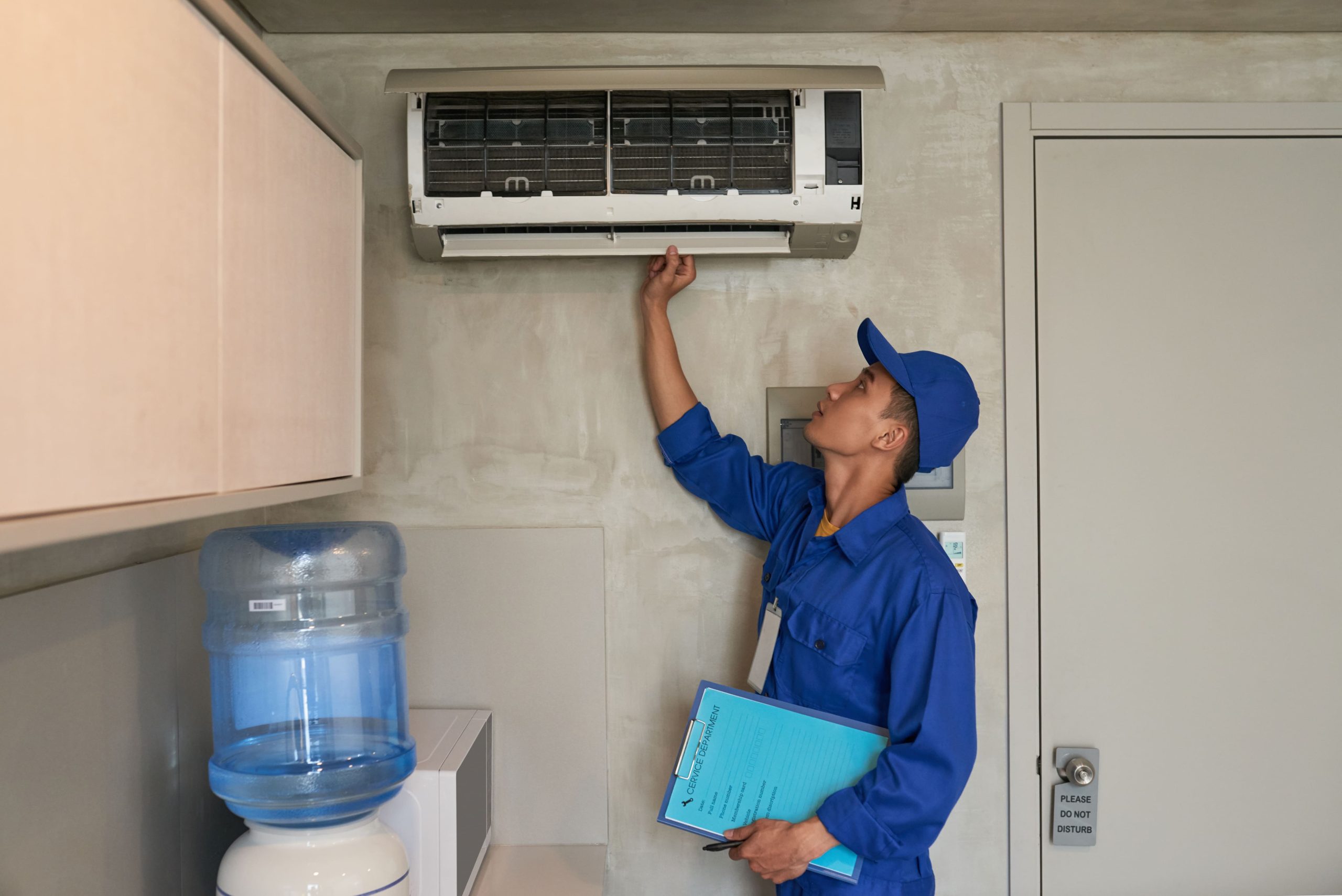
The motor or heating element may be failing. For a thorough inspection, Arctic Air & Refrigeration can help diagnose and solve the real issue.
Your humidifier stopped working? This happens when you clean it properly but ignore some important steps. But don’t bother; it’s common. Sometimes, sensors and the ultrasonic plate remain wet after clearing. You may not have put the tank back correctly, or you forgot to remove the protective plastic film on the filter. Misalignment of internal parts can also be the reason.
Your humidifier releases dirty mist? Well, it’s unsafe for your health. Possibly you haven’t changed the water for many days. Check if you have a dirty tank or filter. There can be mold present inside the base. Also, hard water buildup traps contaminants in the humidifier sometimes.
Humidifiers are expensive items, and little carelessness can result in big damage. Certain issues can be easily fixed at home. However, not all issues can be resolved by yourself. That’s why you should go toward the safe option, i.e., seek help from a professional. Call a professional when
During the dry season, a few easy preventive steps can enhance the life of your humidifier. Also, prevention costs less than repairing, but all you have to do is follow a daily routine. Here are some practical steps that you can take to stop future issues and extend your humidifier’s life by 2–3 years :
| Frequency | Steps to Take | Why It Helps |
| Daily | Use fresh water; empty the tank at night; dry it out. | Stops slime and keeps the air fresh. |
| Weekly | Clean with vinegar; wash the base; wipe the sensors. | Kills germs and keeps the parts working. |
| Monthly | Change filters; soak to remove scale; check for leaks. | Helps the machine last 2–3 years longer. |
There are some simple steps that can prevent 90% of humidifier breakdowns. Whenever a season ends or starts, follow these best practices:
When your humidifier quits working, there can be some issues within it. Some common issues include no mist, no power, sudden shutdowns, or bad smells. Anyone can solve these issues at home. For this, regularly use fresh water, clean the tank every week, dry properly, reset it to fix most issues, and clean properly before storage. Follow the discussed tips to keep your humidifier and health safe. For professional assistance, contact Arctic.
This normally happens because of blockage caused by dust and mineral particles. Clean it with vinegar. Confirm the water tank fits well. That’s it.
Your humidifier stopped steaming in the middle because the heating element overheated or became blocked. Take a 10-minute break to cool it and then restart.
It depends on the type, price, and model of the humidifier. However, if you change the filter on time and clean it properly, dry it, and pack it safely for next year, you can make it last longer for many years.
Clean the ultrasonic plate, reseat the tank, swap old wicks, and clear the outlets.
Short-term use, yes, but hard water clogs it and makes white dust. Distilled water is best.
Yes, if you clean it. This helps with dry throat and coughs.